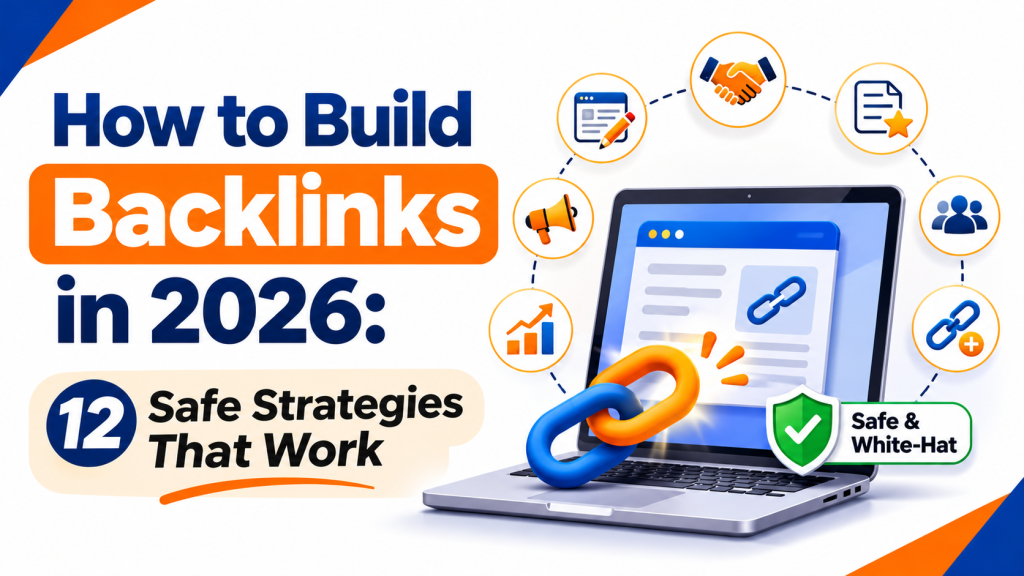
You’ve written a solid article, fixed your on-page SEO, and it’s still stuck on page 3. Nine times out of ten, the missing piece is backlinks. This guide shows you how to build backlinks in 2026 the safe way: 12 strategies that actually earn links, the shortcuts that get sites penalised, and a 30-day plan you can start this week.
New to the topic? Read our beginner’s guide on what is Off Page SEO first. This post goes one level deeper and focuses only on link building.
What Are Backlinks and Why Do They Still Matter in 2026?
A backlink is a link from another website to yours. Google treats a relevant, editorially placed backlink as a vote of trust, which helps your page rank above similar pages that have fewer or weaker votes.
Content quality decides whether you deserve to rank. Backlinks often decide who ranks when ten pages are equally good. That’s why a well-linked average article can beat a brilliant article nobody has linked to.
There’s a newer reason too. AI answer engines like Google’s AI Overviews, ChatGPT and Perplexity lean on sources that are cited and mentioned across the web. Earning links and brand mentions from respected sites makes your brand easier for these systems to recognise and recommend. So link building now supports both classic SEO and AEO.
What Makes a Backlink High Quality?
A high quality backlink comes from a relevant, trusted website that gets real traffic, sits inside the main content, and was given because your page is genuinely useful. One such link can do more than 100 random directory links.
Use this table to judge any link opportunity before you spend time on it:
| Factor | Good Backlink | Weak or Risky Backlink |
|---|---|---|
| Relevance | Same or related niche (e.g. a marketing blog linking to an SEO guide) | Unrelated site (a casino blog linking to a bakery) |
| Website quality | Real organic traffic, real authors, regular updates | No traffic, thin posts, “write for us” on every page |
| Placement | Inside the article body, near related text | Footer, sidebar, sitewide or comment section |
| Anchor text | Natural: brand name, URL or a descriptive phrase | Exact-match keyword repeated across many sites |
| How it was earned | Editorial choice because your content helps readers | Paid, swapped or auto-generated |
| Link attribute | Followed editorial link (nofollow from big sites still brings traffic and trust) | Paid link without rel=”sponsored” |
Dofollow vs Nofollow: Should You Care?
Less than most beginners think. Google asks site owners to mark paid links with rel="sponsored", user-generated links with rel="ugc", and other untrusted links with rel="nofollow". A followed link passes more ranking value, but a nofollow link from a news site or a popular Reddit thread can still send visitors, mentions and eventually followed links. Aim for a natural mix, not 100% dofollow.
How to Build Backlinks: 12 Strategies That Work in 2026
These are ordered from easiest to most advanced. If your site is new, start with strategies 1 to 4 and move down as your content library grows.
1. Claim Business Listings and Local Citations
This is the fastest win for any business website in India. Set up and complete your Google Business Profile, then list your business on trusted directories such as Justdial, Sulekha, IndiaMART (for B2B) and your industry’s own associations. Keep your Name, Address and Phone number (NAP) exactly the same everywhere. These links are often nofollow, but they build trust signals and help local rankings.
2. Turn Unlinked Brand Mentions Into Links
People may already be writing about you without linking. Search Google for "your brand name" -site:yourdomain.com and set up a free Google Alert for your brand. When you find a mention without a link, send a short, friendly email asking the author to link the name to your site. The conversion rate is usually high because they already like you enough to mention you.
3. Get Links From People You Already Work With
Suppliers, clients, partner agencies, colleges where you’ve given a guest lecture, events you’ve sponsored, associations you belong to. Most of them have a “partners”, “clients” or “speakers” page. Ask to be included. These are relevant, real-world links that competitors can’t easily copy.
4. Create a Linkable Asset
Nobody links to “Top 10 SEO Tips”. People link to things they can’t find elsewhere: a free tool or calculator, a template, an original survey, a detailed supplier list, or a step-by-step checklist with screenshots. Ask yourself one question before writing: would another blogger cite this page as a source? If not, it isn’t a linkable asset yet.
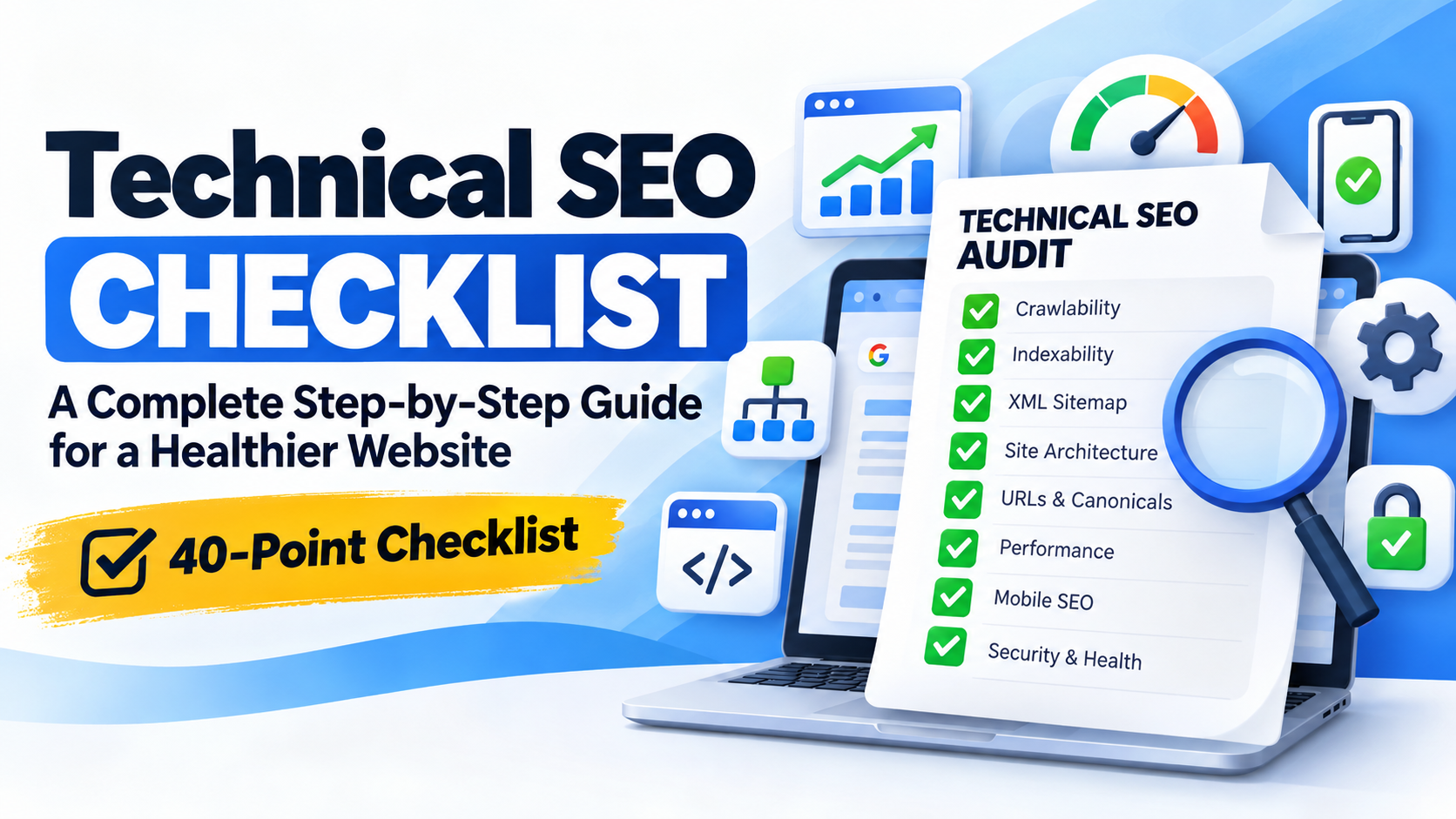
A good example is a resource like our technical SEO checklist. Practical, reference-style pages like this tend to attract links naturally over time.
5. Write Guest Posts for Relevant Websites (Quality, Not Scale)
Guest posting still works when it’s done for readers, not just for a link. Pitch genuinely useful topics to sites in your niche that have real traffic. Keep one natural link to a relevant page on your site, ideally with your brand name or a descriptive anchor.
What to avoid: Google’s spam policies specifically call out large-scale guest posting campaigns with keyword-rich anchor links. Ten strong guest posts a year beat 100 thin ones on “write for us” link farms.
6. Answer Journalist Requests (Digital PR)
Journalists and bloggers constantly look for expert quotes. Platforms such as Qwoted and Featured connect them with sources. Reply quickly, give a specific and quotable answer, and include your credentials. One feature on a news or industry publication can be worth more than months of directory submissions. You can also follow journalists on X and LinkedIn who use hashtags like #JournoRequest.
7. Use Broken Link Building
Websites hate broken links. Find a relevant page in your niche that links to a dead resource (tools like Ahrefs or the free Check My Links Chrome extension help). If you have, or can create, a page covering the same topic, email the site owner: point out the broken link and suggest your page as a replacement. You’re fixing their problem, so the ask feels helpful rather than pushy.
8. Get Listed on Resource Pages
Many blogs, universities and training sites maintain “useful resources” pages. Search for phrases like "digital marketing" + "useful resources" or "SEO" inurl:resources. If your guide genuinely deserves a spot, send a short note explaining why it helps their readers.
9. Copy Your Competitors’ Best Links (Link Gap Analysis)
Enter the top three ranking pages for your target keyword into a backlink tool such as Ahrefs, Semrush or Moz. Export the sites linking to them. Any site that links to two or more of your competitors but not to you is a warm lead. They’ve already shown they link to content like yours. Pair this with proper keyword research so you build links to pages that target winnable keywords.
10. Update and Improve Outdated Content Others Link To
Find a popular article in your niche that has many backlinks but is clearly outdated (old screenshots, 2022 statistics, discontinued tools). Create a better, current version. Then contact the sites linking to the old piece and let them know a fresher resource exists. This works best when your version is noticeably better, not just slightly longer.
11. Appear on Podcasts, YouTube Channels and Webinars
Podcast and YouTube show notes almost always link to the guest’s website. Hosts need guests every week, so the barrier is lower than most people expect. Pitch a specific topic you can speak on with real examples. You get a backlink, a brand mention and an audience in one go.
12. Use Internal Links to Spread the Authority
Internal links aren’t backlinks, but they decide how much value your backlinks pass around your site. When a page earns strong links, link from it to your important service or course pages. This is part of on-page SEO, and it’s free.
Which Link Building Tactics Should You Avoid?
Avoid any link you get mainly to manipulate rankings: bought links, link exchanges at scale, private blog networks (PBNs) and automated link packages. Google’s SpamBrain system is built to detect these patterns.
- “1,000 backlinks for ₹500” gigs: These are almost always spam comments, profile links or auto-generated pages. They can do more harm than good.
- Paid links without rel=”sponsored”: Paying for a link that passes ranking value violates Google’s link spam policy. If you sponsor content, mark it properly.
- Private blog networks (PBNs): Networks of sites built only to link to each other or to clients. Easy to detect and risky.
- Excessive link swaps: “You link to me, I link to you” across dozens of unrelated sites looks unnatural.
- Blog comment and forum spam: Dropping links in comments wastes time and is usually nofollow anyway.
Here’s why this matters more than ever. Google’s documentation explains that after a link spam update, making changes might not bring an improvement, because the ranking benefit from spammy links is simply removed. In other words, you may not get that lost ground back. Building slowly and cleanly is cheaper in the long run. You can read the full rules in Google’s spam policies.
How Many Backlinks Do You Need to Rank?
There’s no fixed number. You need roughly as many relevant referring domains as the pages already ranking on page 1 for your keyword, plus content that matches search intent better than theirs.
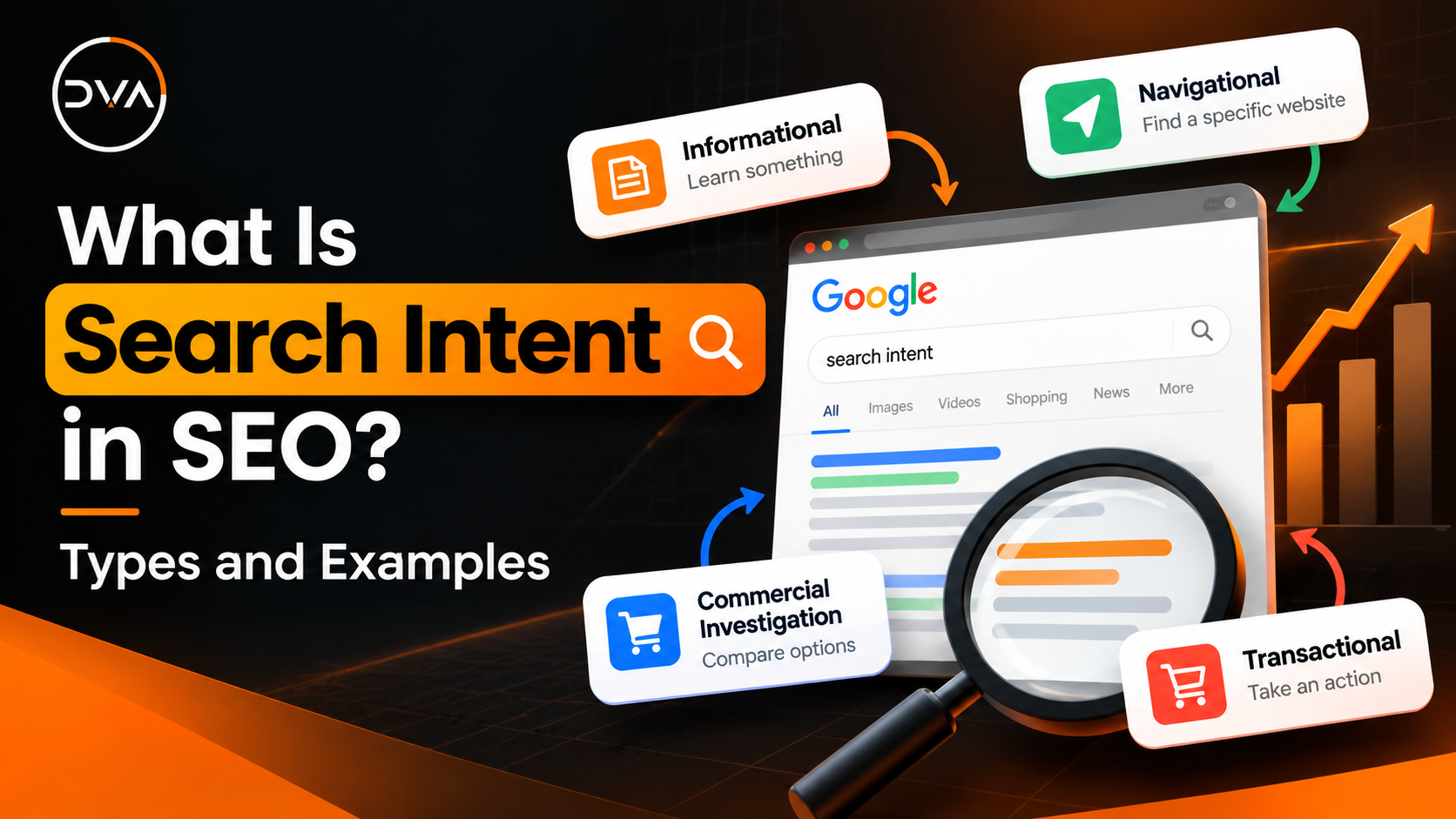
Check the top five results in a backlink tool and note how many unique websites (referring domains) link to each. If they have 5 to 15, a focused month of outreach can get you competitive. If they have 500, pick a longer-tail keyword first. Also make sure your page matches what searchers actually want; our guide on search intent explains how to check this. Ten links from ten different relevant sites are worth far more than ten links from one site.
A 30-Day Link Building Plan for a New Website
If you’re starting from zero, follow this plan. It focuses on safe, repeatable actions rather than shortcuts.
| Week | Focus | Actions |
|---|---|---|
| Week 1 | Foundation | Complete Google Business Profile, 10 to 15 trusted directory listings, social profiles with consistent NAP, ask existing partners and clients for links |
| Week 2 | Linkable asset | Publish one reference-style resource (checklist, template, list or tool) on a topic your niche needs |
| Week 3 | Outreach | Run a link gap analysis on 3 competitors, find 20 warm prospects, send personalised emails, pitch 3 guest post ideas |
| Week 4 | PR and tracking | Reply to journalist requests daily, check for unlinked mentions, review new links in Google Search Console, follow up once on unanswered emails |
Don’t expect rankings to jump in 30 days. Links usually take weeks to be crawled and counted. Repeat weeks 2 to 4 every month and the results compound.
How Do You Track Your Backlinks?
The free way is the Links report in Google Search Console, which shows your top linking sites, top linked pages and top anchor text. It’s the only data that comes directly from Google.
For competitor research and new-link alerts, use a paid tool like Ahrefs, Semrush or Moz, or their free limited checkers. Track three numbers each month: new referring domains, lost referring domains, and rankings of the pages you built links to. If rankings don’t move after several good links, the problem is usually the content or intent match, not the links.
Frequently Asked Questions
How do I build backlinks for a new website?
Start with business listings, Google Business Profile and links from people you already work with. Then publish one genuinely useful resource and promote it through outreach, guest posts and journalist requests.
Can I build backlinks for free?
Yes. Local citations, unlinked brand mentions, broken link building, resource pages, guest posts and journalist requests cost time, not money. Paid tools only speed up research.
Is buying backlinks safe?
No. Buying links that pass ranking value breaks Google’s link spam policy. If you pay for a placement, the link should carry rel=”sponsored”, which means it won’t pass ranking value.
How long do backlinks take to show results?
Usually a few weeks to a few months. Google first has to crawl the linking page, then re-evaluate your page, and competition for the keyword affects how much difference each link makes.
Are nofollow backlinks useless?
No. Nofollow links pass less ranking value, but they still bring referral traffic and brand visibility, and they make a backlink profile look natural.
What is the difference between backlinks and off-page SEO?
Off-page SEO covers everything outside your website that builds trust, including brand mentions, reviews and social signals. Backlinks are the most important part of off-page SEO, but not the only part.
Start With One Good Link This Week
Link building rewards consistency, not tricks. Pick two strategies from this list, say local citations and unlinked mentions, and finish them this week before you try anything advanced. If you’d rather learn link building, keyword research and technical SEO hands-on with live projects, join the SEO Course at Digital With Ankur.